Seafood Task Force Launches Pioneering Risk-Based Assurance and Remediation Program for Tuna Vessels - Aug '26
- Nine leading Seafood Task Force (STF) members, representing c80% of the global tuna industry, fund US$1m + / 5-year port program with 10 ports underway in 2026
- Industry initiative combines equal effort across independent, 3rd Party vessel assessments and practical remediation to improve living and working conditions for fishing crews
- Program provides much needed scalable social responsibility solutions for end buyers, brands and mid-chain buyers across global tuna supply chains
HUNDREDS of tuna vessels will take part in a pioneering risk-based assurance and remediation program designed to drive continuous improvement in the living and working conditions of fishing crews.
Participating STF Tuna members have committed US$1.2 million in 2026, the first tranche of payments to support this 5-year initiative, already underway covering 10 international ports spanning three oceans. It combines independent fishing vessel social compliance qualified assessments with practical remediation solutions that help vessel owners address identified risks and strengthen labor standards over time.
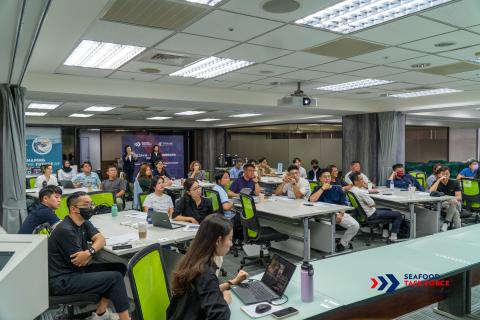
The Risk-based Assurance and Remediation Program is the first initiative of its kind in the tuna industry. It has been developed to provide a scalable, collaborative approach focused on continuous improvement to tackle systemic social responsibility challenges across seafood supply chains, particularly high-seas fishing fleets.
To support fair recruitment, responsible employment practices and effective grievance mechanisms, initiatives include extensive capacity building programs and proactive engagement with relevant national authorities in Taiwan and Indonesia.
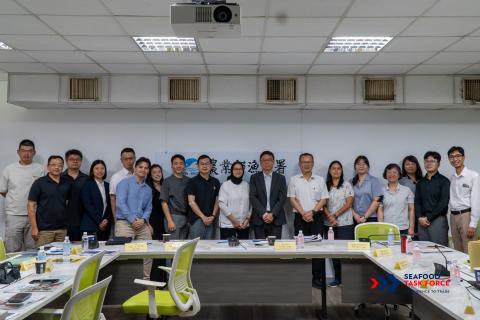
The Seafood Task Force has become the industry's trusted vehicle for improving social responsibility across seafood supply chains from vessel to plate. Independent vessel assessments are one component of the program and will be conducted against the STF Code of Conduct, STF Vessel Auditable Standards and STF Standard Operating Procedures. The findings will guide targeted remediation and capacity-building activities where improvements are needed.
A FIVE-YEAR PROGRAM FOCUSED ON CONTINUOUS IMPROVEMENT
The Seafood Task Force is implementing this ambitious five-year program designed to integrate assurance with remediation to create the foundations for a scalable industry-wide initiative that not only identifies actual social risk using hard field data but helps remediate it too.
Whilst independent vessel assessments provide a consistent way of identifying labor risks and measuring performance, the program’s long-term success depends on effective remediation.
By working collectively through the STF, members can deliver practical, cost-effective and more credible industry-wide solutions that have the potential to scale further and realize significantly greater economies.
Where vessel assessments identify non-conformities against the STF Code of Conduct, vessel owners will work through structured corrective action plans within agreed timeframes, supported by the STF team and competent and qualified partner organizations who will provide relevant guidance, training and practical tools to achieve lasting improvements.
The remediation program has three core elements: capacity building, responsible recruitment and effective grievance mechanisms.
#1 Capacity Building
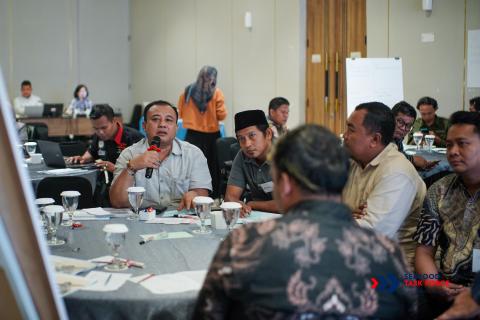
Led and coordinated by the STF, the capacity-building program addresses recurring industry challenges that require collaboration between companies, governmental agencies and other stakeholders. It focuses on priority risks identified through the STF assurance program, providing practical training and strengthening institutional capacity to improve living and working conditions onboard high-seas fishing vessels.
#2 Responsible Recruitment
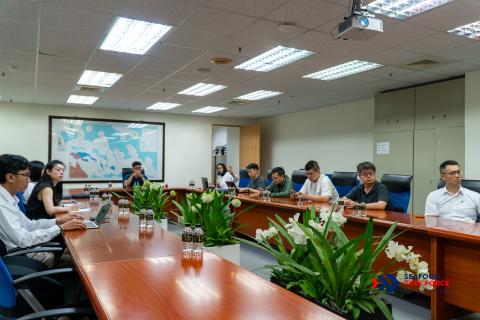
The STF has identified significant recruitment challenges across key migration corridors, including recruitment fees, debt bondage, inadequate employment contracts, poor worker awareness of rights and inconsistent practices by labor agencies.
STF’s Responsible Recruitment Program brings practical verification tools and alignment of STF standards with international best practice.
Over the next five years, STF members will work towards implementing the Employer Pays Principle, establishing systems to verify recruitment practices and remediate any recruitment fees paid by crew members. The long-term objective is to eliminate worker-paid recruitment fees and ensure they are recruited fairly throughout participating supply chains.
#3 Effective Grievance Mechanisms
STF Industry Grievance Mechanism Guidelines, currently being developed by independent ESG consultancy Humantics, will establish a common industry framework for effective grievance mechanisms across seafood supply chains.
These Guidelines will define governance, accessibility, operational requirements, remediation expectations and performance measures, helping vessel operators and seafood buyers strengthen access to effective grievance mechanisms and wider human rights due diligence processes. They are intended to provide a practical foundation for future incorporation into the STF Code, supporting greater consistency, accountability and continuous improvement across the industry.
Martin Thurley, CEO of the Seafood Task Force, said:
"Our Risk-based Assurance and Remediation Program for the tuna industry is breaking new ground and is many years in the making. As a market-based initiative, it’s designed to create scalable, worker-centered solutions that not only identify the scale of risk but help resolve them using STF hard data to deliver practical, collaborative remediation.
We are extremely grateful to the members funding the first phase of this program. It will demonstrate proof of concept and provide the platform to scale further as more end buyers, brands and mid-chain buyers across global tuna supply chains decide to join us. It’s an important step towards strengthening social responsibility across the global tuna industry."
-Ends-